We’ve all seen the explosion of AI tools over the past year. Tools that write, tools that plan, tools that analyze, generate, summarize. It feels like we’ve entered an age where we can spin up an AI to do almost any single task in minutes. And yet, when we try to make these tools work together, we fail miserably.
That shiny new AI assistant has got a bad name now. It retrieves the wrong data, repeats earlier outputs, or unable to comprehend what you are trying to ask for. We end up managing the AI instead of it supporting us. Why though?
We think because most AI today is built like a tool, not like a team player.
And that’s the shift we need to make.
This realization that was brought up by our CEO,
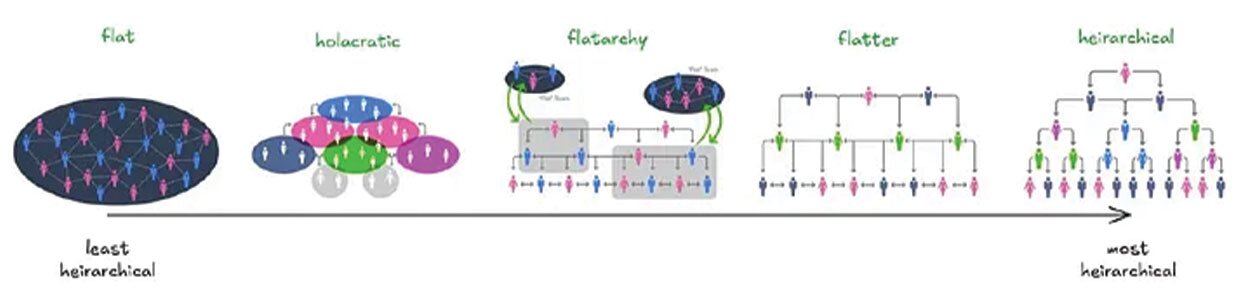
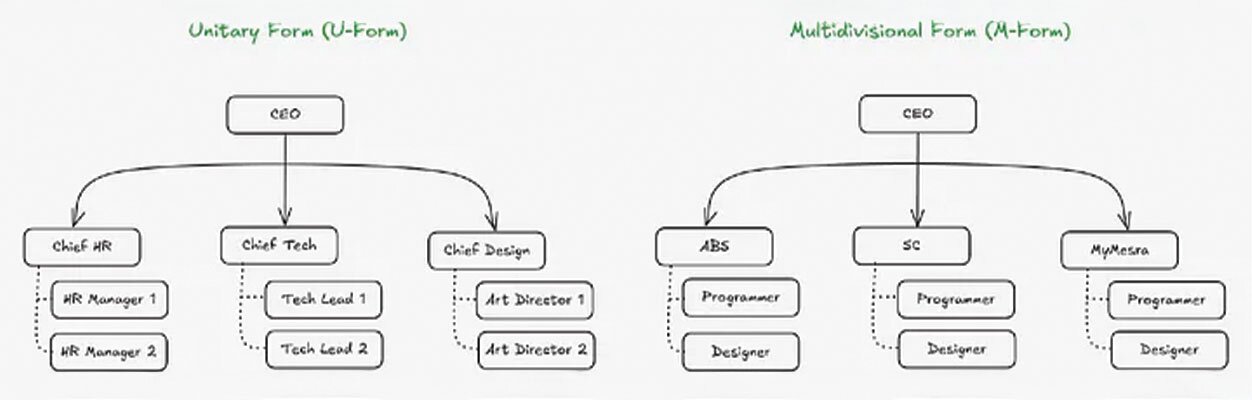
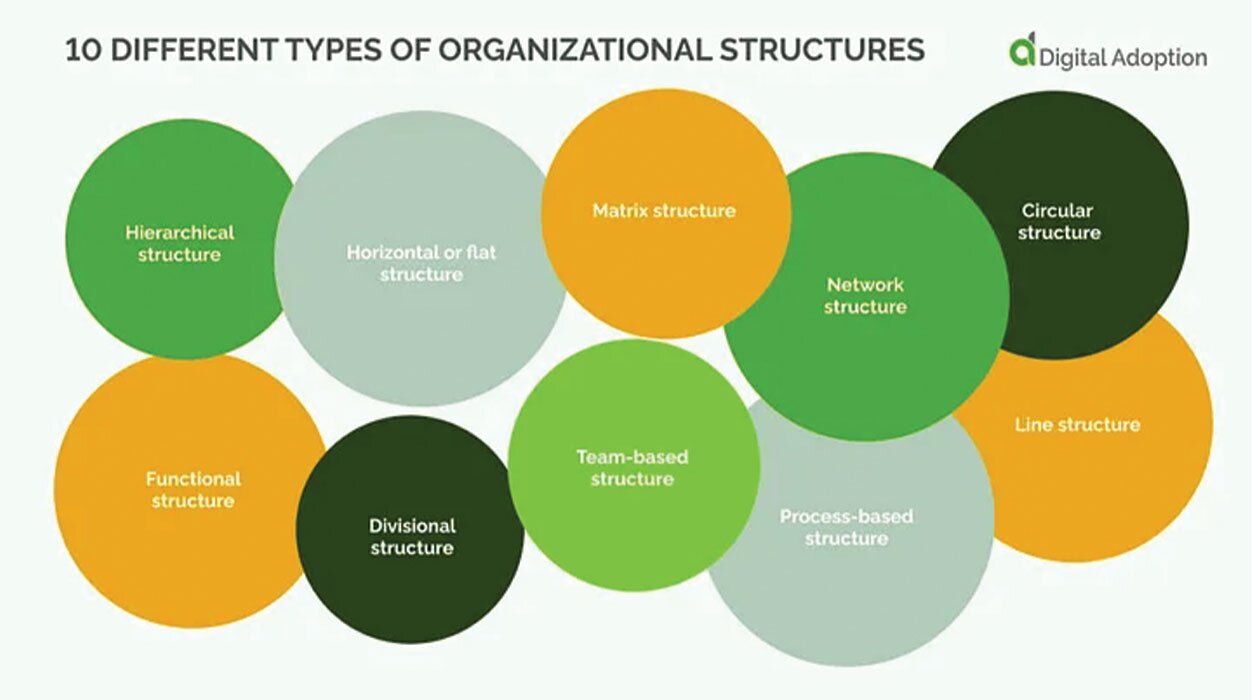
Wiley Chin, during our weekly development update, changed everything for us. We are not building AI applications. If we are planning for something as large as Multi-Agent System, we are essentially building a virtual organization.
At the beginning of our development work, we put all our efforts to sophisticated (but individual) systems where each agent has their own expertise. As the scale of development grow, we had to work in sync with all the agents seamlessly to get real complex tasks done. Once we started treating our agents like a team, the design questions got deeper.
We shifted from, “Can this model do the task?” to “How does it coordinate? Who does what? What happens when something goes wrong?”
That’s when it became clear: the real work ahead isn’t just about better algorithms. It’s about better
organization and
culture, even at the code.